
Aussie punters spinning the reels of online pokies often bump into a ceiling on how much they can lay down per spin, and most don’t realise that cap is doing more than protecting the casino’s bottom line. Maximum bet limit slot games have become a defining feature of the local market, shaped by both operator policies and Australia’s increasingly tight regulatory framework. With the Interactive Gambling Act and ongoing ACMA crackdowns reshaping the scene, understanding how stake ceilings work can mean the difference between chasing losses and playing with a clear head.
The conversation around betting caps isn’t just for the suits in Sydney boardrooms or the regulators in Canberra. It matters to the bloke in Brisbane who likes a flutter on a Sunday arvo and to the high roller in Perth who wants to know whether they can still press their luck on a longer session. Knowing the lay of the land helps players pick platforms that match their budget, whether they’re backing a couple of bucks on classic three-reelers or sizing up progressive jackpots with serious coin behind them. Below, we break down how these limits function, why they exist, and which operators give Aussie players the most leg room while staying fair dinkum with the law.
What Are Maximum Bet Limit Slot Games?
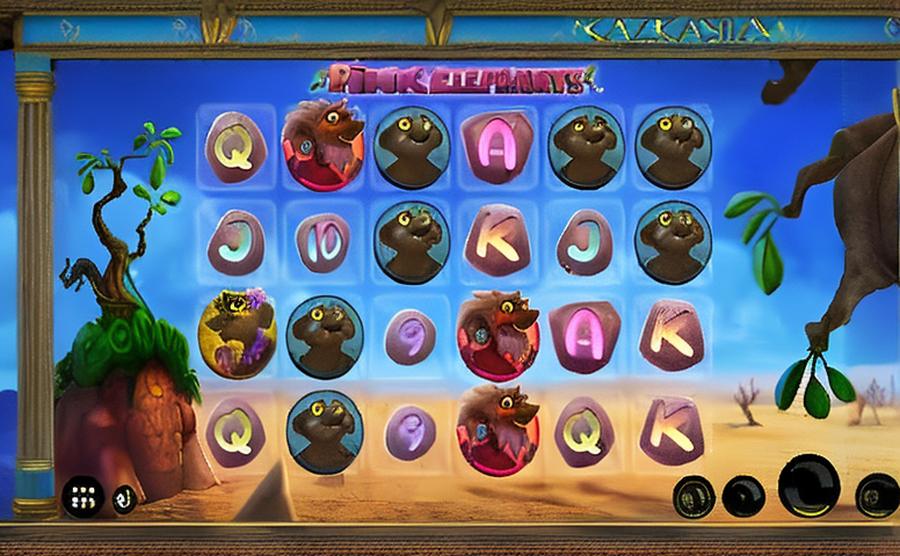
In the simplest terms, maximum bet limit slot games carry a hard ceiling on the wager a player can place on a single spin. The cap covers both the base stake and any side bets, free spin features, or bonus rounds that multiply the cost of a round. Most online pokies set a default ceiling between $1 and $10 per spin, though high-volatility games and progressive jackpots often allow larger sums, sometimes climbing into the hundreds when the operator wants to attract VIP action. Players typically see the ceiling displayed in the game’s info panel or in the betting adjustment screen before spinning.
Different operators set different poles. Some run restrictive caps under $5 across their entire catalogue, while others tweak limits per title depending on the volatility, RTP, and jackpot structure. A slot with a five-figure progressive, for example, might have a ceiling of $25 or more because the upside warrants a bigger swing. Conversely, casual pokies with steady, predictable payouts usually sit at the lower end, encouraging longer sessions without burning through a bankroll in record time.
Players need to remember that the maximum bet isn’t always the smartest bet. Even when a reel game lets a punter push $50 a spin, the house edge stays the same, and variance tends to amplify losses just as quickly as wins. Anyone who has watched the Crown Melbourne and Star Sydney news cycles of the past few years knows that staking more than you can afford isn’t a flex, it’s a fast track to trouble. The same logic applies online, where a hot streak can flip into a cold one with brutal speed.
Why Wagering Caps Matter in Australia
Australia doesn’t run a federal body governing individual bet sizes the way the UK Gambling Commission does. Instead, the framework is a patchwork. The Interactive Gambling Act 2001 makes it illegal for offshore operators to offer real-money online pokies to Aussies, but it doesn’t dictate per-spin limits. That responsibility falls to licensed platforms, which use internal controls to stay on the right side of state-level regulators and to dodge the kind of scrutiny that has tripped up big names in Sydney and Melbourne over the past few years.
Betting caps also play a quiet but vital role in responsible gambling culture. Caps prevent punters from chasing losses with reckless oversizing during a tilt, and they give self-excluded or restricted players a mechanical barrier they can’t easily bypass. ACMA has signalled repeatedly that harm minimisation remains a priority, and operators who ignore the spirit of those guidelines can find themselves blocked from the Australian market altogether. The same rigour applied to land-based pokies in pubs and clubs across Adelaide is gradually migrating to digital platforms, with all the regulatory muscle that implies.
There’s a commercial angle too. Wagering limits protect the operator from exposure on wild progressive swings, especially when a single spin can land a six- or seven-figure payout. A platform that lets players bet $500 a hand on a Mega Moolah-style slot without robust reserves is asking for liquidity trouble if a lucky punter cleans them out. Caps balance that risk in a way that keeps the games fun for the customer and solvent for the house, and they double as a marketing tool because platforms that highlight transparent limits tend to attract more cautious long-term players.
Comparing Top Aussie Operators on Stake Ceilings
The Australian-facing online casino market has plenty of players, but not all of them treat betting caps the same way. Some lean conservative to stay clear of ACMA’s gaze, while others loosen the leash to attract offshore VIPs. Below is how several well-known platforms stack up on stake ceilings, game variety, and overall approach to responsible gambling.
| Operator | Max Bet Per Spin | Progressive Jackpot Access | Responsible Gambling Tools |
|---|---|---|---|
| Joe Fortune | Up to $100 on select pokies | Yes, daily must-drops included | Deposit caps, time-outs, self-exclusion |
| PlayAussie | Capped at $25 universal | Limited progressive offering | Reality checks only |
| Down Under Casino | $50 on premium titles | Full network jackpots | Loss limits, session timers |
| ReelMate AU | $10 across most games | No network progressives | Basic self-exclusion |
| MateSlots | Up to $200 on VIP rooms | Yes, including Mega Moolah | Full suite including account closure |
Joe Fortune remains a benchmark for Aussie-friendly banking, AUD-native accounts, and a stake structure broad enough to keep both weekend warriors and full-tilt grinders engaged. The daily must-drop jackpots give lower-stakes players a shot at genuine prizes without forcing them to chase the maximum bet on every spin, which is a smart commercial move that keeps the catalogue fair dinkum across budgets.
ReelMate AU sits at the polar opposite end of the spectrum, treating the $10 cap as gospel across nearly every title. That policy is great for harm minimisation, but it shrinks the appeal for anyone who wants to size up for a serious run at a jackpot. MateSlots caters to the whale crowd with $200 VIP rooms and Mega Moolah access, but those rooms often require manual approval and a documented deposit history, so casual punters won’t typically stumble into them by accident.
For players splitting time between two or three platforms, the practical takeaway is to match the ceiling to the goal. Chasing entertainment value? A tighter cap keeps sessions long and bankroll steady. Chasing one big score? A wider ceiling paired with a strict personal limit is the only path that makes sense without going troppo on a single tilt.
How Betting Limits Shape Gameplay Strategy
Even seasoned players underestimate how much a ceiling shapes the rhythm of a session. A $0.20 minimum bet on a slot with a $20 ceiling means a single spin can move the needle by 100x, and players often need to think about whether they want flat staking, progressive staking, or a stop-loss approach before they even load the reels. Those choices matter more in high-volatility games, where dry spells can stretch and the only way back is to ride them out with disciplined sizing.
Players chasing bonus features need to factor in that some free spin rounds automatically lift the stake ceiling. A typical base spin might cap at $10, but the bonus round might boost the maximum to allow for higher multiplier action. Reading the paytable and the game’s rules before depositing makes a heap of difference and avoids the surprise of watching a bonus spin eat through a bankroll faster than expected. This is where a title like the greatest catch slot demonstrates strong design, with clearly signposted stake ceilings that let punters plan their session from the opening splash screen.
On the flip side, low ceilings can sap the appeal of a slot for high-stakes players who want a real crack at the top prizes. That’s why most platforms segment their offerings, running parallel catalogues of casual pokies with tight caps and high-roller rooms where wagers stretch into the hundreds. A pragmatic approach is to set personal limits that mirror the operator’s framework but leave a buffer for volatility, so a single cold streak doesn’t knock a player offline in the first hour of a session.
Bankroll pairing sits at the centre of any smart staking plan. A player with a $200 session bankroll should generally avoid ceiling bets above $4 if they want a reasonable runway on a high-volatility title, while a $1,000 session can comfortably stretch across medium-volatility games with caps in the $20-$30 range. These ratios aren’t gospel, but they provide a useful starting point that keeps gameplay fun instead of frantic.
Smart Play Recommendations Within Staking Limits
For players who want a structured approach rather than a reactive one, a few simple habits go a long way. None of these are silver bullets, and none can offset a fundamentally flawed bankroll plan, but they form a practical toolkit that seasoned Aussie punters tend to lean on.
- Read the paytable and rules screen before placing any real-money bet, paying particular attention to the max bet line for both base play and bonus features.
- Test new titles in demo mode where the platform allows it, treating practice sessions as a volatility check rather than a guaranteed strategy rehearsal.
- Cap staking at 1-2% of the session bankroll per spin to give cold streaks room to run without forcing a top-up at the wrong time.
- Use operator tools like deposit caps, reality checks, and self-exclusion as guard rails even when the session feels under control.
- Chase progressive jackpots only when the average prize pool justifies the larger bet sizing, and avoid treating them as a default play.
These points aren’t a substitute for the broader harm-minimisation resources offered by GambleAware and state-level support services, but they do cover most of the practical mistakes that crop up in casual play. Anyone who feels their own limits slipping should treat that as a clear signal to step back, contact a support line, or close the account altogether.
Local reporting also helps players stay ahead of policy shifts and venue-level changes, and outlets like the Bendigo Advertiser regularly cover the community impact of gaming regulation across regional Victoria. Following that coverage alongside ACMA bulletins gives a fuller picture of where the market is heading, especially around stake ceilings, player protections, and the evolving expectations of responsible conduct in both online and venue-based settings.
